

CMU Block vs. Poured Concrete: Choosing the Best Option for Garden Walls
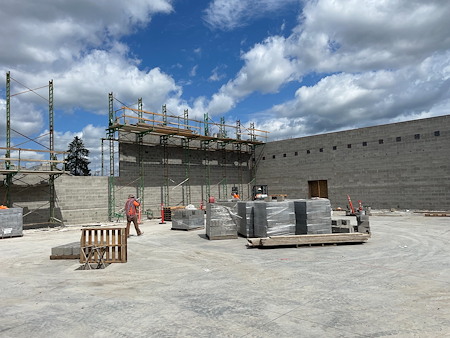
Picking the right material for a garden wall in Portland means balancing strength, looks, and how well it stands up to months of rain. If you’re weighing poured concrete against CMU block masonry, the best choice often comes down to your site conditions, design goals, and how you want the wall to age over time.
Below, we compare both options through a Portland lens so you can feel confident before you plan your layout, select finishes, or schedule work with Sprenger Masonry, LLC.
How CMU Block Walls Perform in Portland’s Climate
CMU blocks are modular concrete units stacked and reinforced to form a durable wall. In our wet winters, that modular design is a plus because the vertical and horizontal cavities can accept steel and grout, and the cores leave room to add engineered drainage paths behind the wall.
Rain is the main stressor in neighborhoods like Laurelhurst, Sellwood, and St. Johns. CMU walls handle it well when built with proper footings, gravel backfill, and a drain line to daylight. Because the wall is assembled course by course, crews can fine‑tune alignment on sloped yards common in the West Hills, which helps avoid awkward steps or uneven capstones.
Finish flexibility is another win. CMU takes stucco, thin stone, or face brick veneers, and it can be left exposed with a clean architectural block. If your garden palette leans natural—think basalt stepping stones or cedar fencing—CMU gives you a lot of texture choices to blend in.
How Poured Concrete Walls Compare in Real Backyards
Poured concrete creates a single, continuous wall using forms. That monolithic pour gives strong, clean lines and a contemporary feel that fits modern homes from the Pearl District to Eastmoreland. You can add control joints, apply a smooth or light broom finish, and tint the mix for subtle color.
Because it’s one piece, poured walls rely on precise formwork and a steady pour window. In a rainy stretch, scheduling can be tricky. The wall also needs well-planned control joints to manage hairline cracking as the concrete cures. When built with the right footing, steel, and drainage, a poured wall is very durable, but adjustments on a steep slope are less forgiving than block.
Design Flexibility and Aesthetics
Think about how the wall will connect with paths, patios, and planting beds.
- CMU’s modular layout makes curves, seat walls, and level changes easier to blend without bulky formwork.
- Poured concrete shines with crisp planes, long straight runs, and minimalist garden styles.
- Both accept capstones, lighting niches, and integrated planters that help tie the wall into your landscape.
If you plan to add a veneer later, CMU is often the straightforward base. For an exposed finish, poured concrete’s seamless face can look striking beside steel planters, gravel bands, and native grasses.
Longevity, Maintenance, and Repairs
Both wall types are built to last when properly designed and drained. CMU typically makes spot repairs simpler because individual units can be addressed without touching the entire wall face. With poured concrete, repairs may be more visible, so planning the right finish and joint layout up front is key.
Sealing helps both materials resist staining from wet leaves and irrigation. Portland’s mild freezes can still stress saturated walls, so good drainage and cap flashing where needed go a long way. Keep ivy and woody roots off any wall since they can wedge into joints and cause damage over time.
When to Choose CMU Block for Garden Walls
CMU is a great fit when you want versatility and efficient installation in real-world backyard conditions. It’s especially helpful on sites with tricky grades or tight access where moving formwork is a hassle.
- You want a wall that can adapt to curves, steps, or seat-height sections without complex forms.
- You plan to add stucco, stone, or brick veneer for a classic Northwest look.
- Your yard has slopes or terrace transitions that benefit from modular layout and staged reinforcement.
- You prefer easier long-term repair options if something shifts over time.
Curious how this would look alongside your patio or raised beds? A quick design review with our block masonry experts can help you visualize textures, cap profiles, and transitions to paths or steps.
When Poured Concrete Makes Sense
Poured walls excel when your design calls for modern lines or uninterrupted spans.
- You want a sleek, continuous face with subtle color and carefully placed control joints.
- Your layout features long, straight runs where crisp formwork shows well.
- You plan to highlight the concrete itself with a smooth or lightly textured finish.
Just remember that poured concrete benefits from careful scheduling around the rain and temperature swings we see from October through April.
Site Conditions, Drainage, and Footings
In Portland, success starts below grade. A stable footing, well-compacted subbase, and clean gravel backfill help any wall resist settling. Behind the wall, a perforated drain line and a path to daylight reduce hydrostatic pressure during long wet spells. On steeper yards in the West Hills, terracing and shorter tiered walls can be easier to maintain and blend into plantings than one tall structure.
Never skip drainage details or cap flashing where exposure invites water to sit on the wall. They add years of life and keep surface staining to a minimum. Where soils stay soggy, consider landscape grading or a discreet surface drain to move roof runoff away from the wall.
Portland’s rain can hit hard in fall and spring. Ask your contractor to show you the full drainage path and how water will exit during a storm. A simple mock flood test with a hose before backfilling can catch issues early and protect your new wall.
Finishes, Caps, and Details That Make a Garden Wall Shine
Small choices make a big difference. For CMU, architectural block offers a clean, consistent face, while stucco delivers smooth planes that complement traditional homes in neighborhoods like Irvington. Thin stone veneers pair well with native shrubs and basalt elements, creating a timeless Northwest vibe.
For poured concrete, consider a light sandblast or micro-etch for texture, then top with precast or cut-stone caps that shed water. Integrated lighting under caps or at step turns adds safety and evening ambience. Plan conduit runs before the wall is closed so wiring stays protected and out of sight.
How Height, Use, and Layout Shape the Decision
Garden walls can edge beds, frame patios, carve out level spots, or provide casual seating. Low walls that double as benches call for comfortable cap widths and smooth corners. Curved layouts make destinations feel welcoming, while straight runs define crisp edges for lawns and gravel paths.
For raised planters, CMU’s modular build makes inside corners and irrigation penetrations straightforward. Poured concrete gives ultra-clean lines for contemporary courtyards and narrow side yards where space is tight. If your wall will support soil on one side, clarify the intended use and loading with your contractor so the design matches the job.
Local Considerations Across Portland Neighborhoods
Older properties in Sellwood-Moreland or Alameda often mix mature trees, narrow access, and gentle slopes. CMU’s flexibility makes staging easier in tight side yards and alley approaches. In newer builds around the Eastside, poured concrete can echo modern architecture and align with long fence lines for a cohesive look.
Where views matter, stepping a wall to preserve sightlines can feel more natural than one uniform height. In wetter pockets near Johnson Creek, paying extra attention to drain outlets and cleanouts helps keep walls dry after storm events.
Working With a Trusted Portland Team
Garden walls do more than hold soil. They frame outdoor rooms, guide foot traffic, and protect plantings during the long rainy season. Partnering with a local crew that understands Portland soils, stormwater, and neighborhood styles means fewer surprises and a better finished look.
For an overview of project options beyond garden walls, you can explore services with a Portland masonry company that works across residential and light commercial projects. If CMU feels right for your landscape vision, a quick site visit is the best next step to verify grades, drainage routes, and finish options.

Top Quality Masonry Services
Sprenger Masonry adds beautiful custom masonry to homes and businesses. We are a licensed masonry contractor servicing the Portland Metropolitan and SW Washington areas. Our work includes brick veneers, fireplaces, chimneys, outdoor living spaces, patios, bar-b-ques, retaining walls, fences, entry gates and more. Residential & commercial projects made of brick, CMU block, stone, & glass block are all skillfully crafted into beautiful, long-lasting masterpieces with ease.
We Specialize In Working With All Types Of Material Such As:
- Brick
- Natural Stone
- Cultured Stone
- CMU
- Glass Block
- And More!
Creating Stunning Project & Extremely Happy Clients:
- Outdoor Kitchens
- Fireplaces
- Entertainment Spaces
- Landscapes
- Walkways
- And More!
Articles & Tips
-
Walkway Materials Showdown: Bluestone vs. Concrete Pavers vs. Brick
Choosing the right material for your stone walkway in Portland can feel like a toss-up, especially with our rain, shade, and seasonal freeze-thaw. This guide breaks down how bluestone, concrete pavers, and brick perform for slip resistance, day-to-day maintenance, and long-term durability around neighborhoods like Sellwood, […]
-
Portland Chimney Repair: How to Spot Hidden Water Damage Before the Winter Rain
Months of cool drizzle, sideways wind, and fast freeze-thaw cycles make Portland chimneys work hard. If water sneaks in now, the first big storms can turn small problems into soaked drywall or a smoky living room. This guide shows what to watch for and when to […]